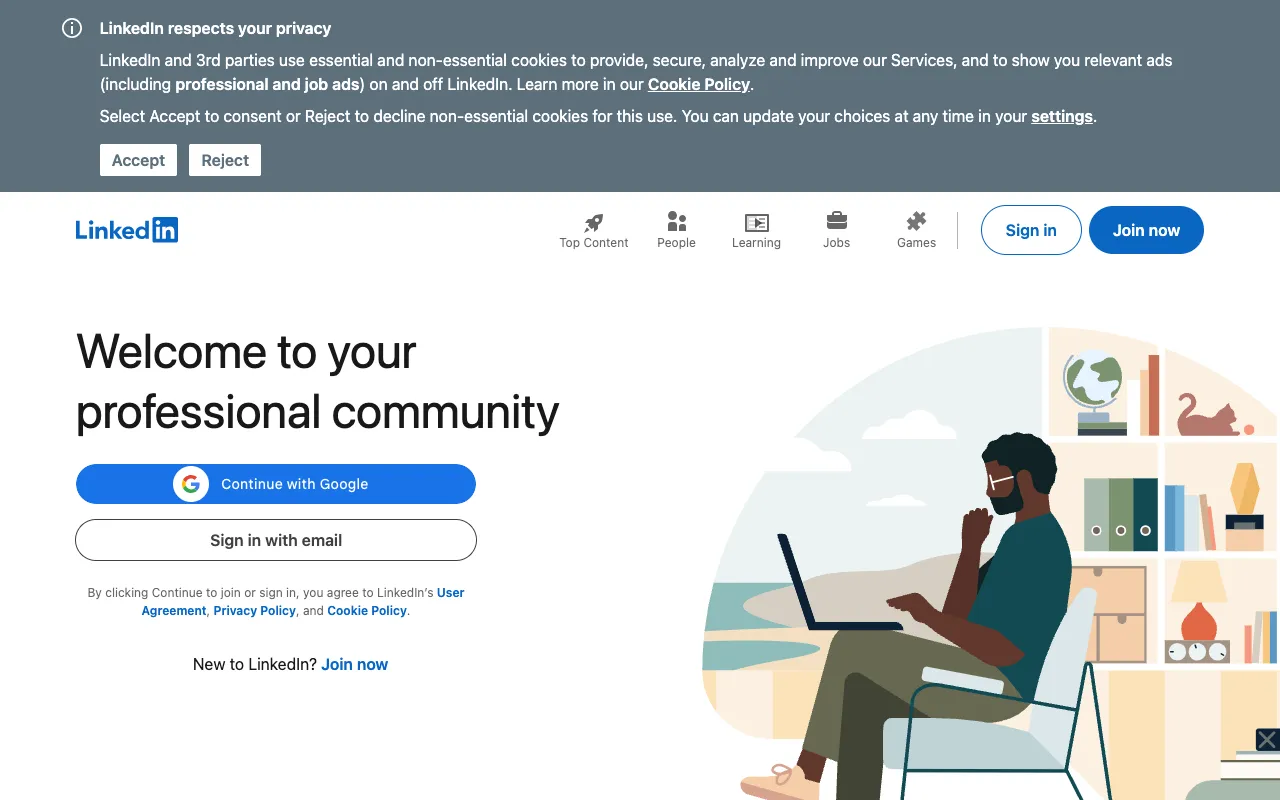
LinkedIn – The Essential Professional Networking Tool for Small Business Owners
For small business owners, building a professional network isn't just helpful—it's critical for survival and growth. LinkedIn stands as the undisputed leader in professional networking, offering a powerful suite of tools designed specifically for business development, talent recruitment, and industry authority building. Unlike generic social media, LinkedIn provides a targeted environment where entrepreneurs can connect with potential clients, partners, investors, and employees. With a robust free tier that offers substantial value, it's a non-negotiable asset for any small business looking to scale its influence and reach.
What is LinkedIn for Small Business?
LinkedIn is a purpose-built professional networking platform that functions as a digital Rolodex, recruitment hub, content publishing channel, and industry research tool all in one. For small business owners, it transforms from a simple social network into a strategic business development engine. Its core purpose is to facilitate meaningful professional connections that lead to tangible business outcomes—securing new clients, hiring key talent, forming strategic partnerships, and establishing thought leadership within your niche. The platform's audience is inherently commercial, making every interaction potentially valuable for business growth.
Key Features of LinkedIn for Entrepreneurs
Company Page & Showcase Pages
Your business's professional front door on LinkedIn. A well-optimized Company Page boosts credibility, attracts followers, and serves as a hub for sharing updates, job postings, and services. Showcase Pages allow you to highlight specific product lines or brands, enabling targeted marketing to different audience segments.
Advanced Search & Sales Navigator
Find your ideal prospects, partners, or hires with laser precision. Filter searches by industry, company size, job title, location, and more. Sales Navigator (premium) supercharges this with lead recommendations, alerts, and advanced insights, turning networking into a systematic sales process.
Content Publishing & Articles
Establish yourself as an industry expert by publishing long-form articles and posts directly on LinkedIn. This built-in blog platform amplifies your voice, drives engagement, and attracts inbound interest from potential clients and collaborators who value your insights.
LinkedIn Recruiter & Job Postings
Tap into a vast pool of passive and active job seekers. Post job openings to your network and the wider LinkedIn community. For serious hiring needs, LinkedIn Recruiter provides powerful tools to source, manage, and contact candidates, making it far more effective than traditional job boards.
LinkedIn Groups
Join or create niche communities around your industry. Groups are goldmines for networking, market research, and sharing knowledge. Participating actively positions you as a community leader and provides direct access to concentrated audiences interested in your field.
Who Should Use LinkedIn? (Ideal Small Business Users)
LinkedIn is indispensable for B2B service providers (consultants, agencies, freelancers), SaaS founders, professional coaches, and any small business whose growth depends on professional relationships and reputation. It's particularly powerful for solopreneurs and small teams who need to amplify their reach without a large marketing budget. If your business model involves selling to other businesses, recruiting specialized talent, or building authority in a professional field, LinkedIn is not optional—it's your primary digital networking venue.
LinkedIn Pricing and Free Tier for Small Business
LinkedIn operates on a freemium model that is exceptionally generous for small businesses. The core platform—including profile creation, connection building, basic search, content posting, and Company Page management—is completely free. This free tier is powerful enough for most foundational networking and branding activities. For advanced needs, LinkedIn offers premium subscriptions like Sales Navigator (for lead generation), Recruiter Lite (for hiring), and Premium Business (for broader insights). These paid tiers add advanced search filters, InMail messaging credits, and detailed analytics, but strategic use of the free plan can yield significant ROI for cost-conscious entrepreneurs.
Common Use Cases
- Generating qualified B2B leads for consulting services without cold calling
- Recruiting a niche marketing specialist for a startup on a limited budget
- Building partnerships with complementary businesses for co-marketing campaigns
- Establishing thought leadership in the sustainable finance industry to attract investors
Key Benefits
- Direct access to decision-makers and influencers in your target industries, shortening sales cycles.
- Cost-effective brand building and authority establishment compared to traditional advertising.
- A centralized platform for managing recruitment, business development, and professional learning.
- Data-rich environment for researching competitors, market trends, and potential clients.
Pros & Cons
Pros
- Unmatched size and quality of professional user base globally.
- Free tier offers substantial value for core networking and branding activities.
- Integrated tools for content, recruitment, and sales in one platform.
- High commercial intent from users, making connections more valuable.
Cons
- Can be time-consuming to manage effectively and build a meaningful network.
- Advanced features (Sales Navigator, Recruiter) require a significant paid subscription.
- Organic reach for Company Page posts has declined, often requiring paid boosting.
- The platform favors consistent, high-quality content engagement for best results.
Frequently Asked Questions
Is LinkedIn free for small business owners?
Yes, the core LinkedIn platform is free to use. Small business owners can create a personal profile, a Company Page, connect with others, post content, use basic search, and join groups at no cost. This free tier is robust enough for fundamental networking and business development.
Is LinkedIn good for small business marketing?
Absolutely, especially for B2B marketing. LinkedIn is the premier platform for professional targeting. It allows you to reach specific job titles, industries, and company sizes. Through content marketing, direct engagement, and relationship building, it generates higher-quality leads than most general social media platforms for business-focused services and products.
How can I use LinkedIn to recruit for my small business?
Use your personal and company networks to share job postings. Join industry-specific groups where potential candidates congregate. Optimize your Company Page to showcase your culture. For dedicated recruiting, consider LinkedIn's job posting credits or Recruiter Lite to directly search for and contact passive candidates with the exact skills you need.
What's the difference between a personal profile and a Company Page on LinkedIn?
Your personal profile represents you as an individual professional and business owner. It's for building your personal brand and network. A Company Page represents your business entity. It's for sharing company news, products/services, career opportunities, and attracting followers. A successful small business strategy uses both in tandem: the personal profile for relationship-building and the Company Page for official branding.
Conclusion
For the ambitious small business owner, LinkedIn is far more than a digital resume repository—it's a dynamic, multifaceted platform for growth. Its unique position at the intersection of professional networking, content marketing, and recruitment makes it an unparalleled tool for building the relationships that drive business forward. While mastering it requires strategy and consistency, the potential ROI from client acquisition, partnership development, and talent sourcing justifies the investment. Start by fully optimizing your free profile and Company Page, engage authentically with your network, and gradually explore advanced features as your needs grow. In the toolkit of modern entrepreneurship, LinkedIn is not just a nice-to-have; it's a fundamental component of a successful digital strategy.